استقرار و ساخت سد دفاعی: راهنمای میدانی 10 ساله برای مهندسی محیطی با امنیت بالا
در امنیت محیطی مدرن و کاهش سیل،سد دفاعیاز یک جایگزینی اولیه کیسه شن به یک سیستم بسیار مهندسی شده و به سرعت قابل استقرار تبدیل شده است. چه برای حفاظت از زیرساخت های حیاتی در برابر افزایش سیل یا تقویت یک پاسگاه نظامی، کارآمدی این دژهای ساختاری کاملاً بر استانداردهای ساخت دقیق و اجرای درست میدانی متکی است.
این راهنما از یک دهه بینش مهندسی برای شکستن چرخه عمر فنی سیستمهای مهار سلولی - از فولاد خام کف کارخانه گرفته تا سنگریزه استقرار میدانی استفاده میکند.
1. آناتومی و ساخت سد دفاعی مدرن
برای درک اینکه چرا حق بیمهسد دفاعیدر جایی که کیسه های شن سنتی شکست می خورند، باید به ترکیب مواد و فیزیک ساختاری پشت طراحی آن نگاه کرد.
مشخصات مواد و استانداردهای صنعت
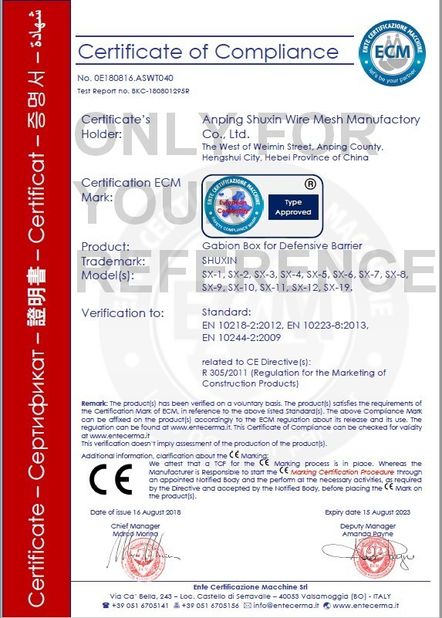
یک واحد تجاری از یک چارچوب شبکه سیمی جوش داده شده تاشو تشکیل شده است که با یک ژئوتکستایل غیر بافته سنگین پوشش داده شده است.
-
مش سیم:تولید شده با استفاده از سیم فولادی کم کربن، معمولا مطابق باASTM A856/A856Mاستانداردها این سیم با آلیاژ Zn-Al (روی-آلومینیوم) (معمولاً به عنوان Galfan شناخته می شود) پوشانده شده است که تا سه برابر مقاومت در برابر خوردگی گالوانیزه گرم استاندارد در محیط های خشن ساحلی یا شور ایجاد می کند.
-
ژئوتکستایل:یک پارچه پلی پروپیلن سنگین و نبافته، معمولاً با وزن$ge 300text{g/m}^2$. باید دارای مقاومت بالای UV (حفظ$> 70% $قدرت پس از 500 ساعت قرار گرفتن در هرASTM D4355) و نفوذپذیری متعادل برای اتلاف فشار منافذ و در عین حال حفظ مواد پرکننده بسیار ریز.
فرآیند تولید گام به گام
از مشاهدات تاسیسات ما، خط تولید نیازمند اتوماسیون دقیق برای اطمینان از سازگاری ساختاری است:
-
صاف کردن و کشیدن:میله های سیم خام به قطرهای دقیق (معمولاً 4.0 میلی متر تا 5.0 میلی متر) کشیده می شوند تا به استحکام کششی مورد نیاز دست یابند.$ge 500text{MPa}$).
-
جوشکاری CNC:دستگاههای جوشکاری توری خودکار سیمهای طولی و عرضی را ذوب میکنند و اندازه دهانه مش یکنواخت ایجاد میکنند (معمولاً76.2$ متن{mm} ضربدر 76.2متن{mm}$).
-
ادغام ژئوتکستایل:پارچه نبافته به طور مکانیکی منگنه شده یا به صورت حرارتی به محیط داخلی سلول های فولادی متصل می شود. کشش باید کاملاً کالیبره شود. اگر خیلی شل باشد، پارچه در حین پر شدن سریع مکانیکی پاره می شود. اگر خیلی سفت باشد، درزها در حین انبساط سلول پاره می شوند.
-
اتصال و بسته بندی حلزونی:فنرهای حلزونی از طریق اتصالات توری عبور می کنند تا سلول های مجاور را به هم متصل کنند و به کل سیستم اجازه می دهند تا برای حمل و نقل فشرده به سبک آکاردئونی تا شوند.
پروتکل های کنترل کیفیت کارخانه (QC).
هر دسته ای برای به حداقل رساندن خطرات خرابی میدان تحت آزمایش های مخرب و غیر مخرب قرار می گیرد:
-
تست مقاومت برشی:اتصالات جوش داده شده باید حداقل نیروی برشی را تحمل کنند تا اطمینان حاصل شود که ضربه موضعی کل ماتریس سلول را باز نمی کند.
-
آزمایش اسپری نمک:نمونه های تصادفی تحت هوازدگی تسریع شده قرار می گیرند (از طریقASTM B117پروتکل ها) برای اعتبار بخشیدن به طول عمر پوشش ضد خوردگی Zn-Al.
2. استقرار میدانی و کاربرد در دنیای واقعی
روی زمین، الفسد دفاعیسیستم فقط به اندازه تکنیک نصب آن قابل اعتماد است. تراز نادرست یا تراکم پر شدن نادرست می تواند یکپارچگی ساختاری کل محیط را به خطر بیندازد.
راهنمای نصب گام به گام
-
آماده سازی سایت:رد پای زباله های بزرگ، سنگ های تیز یا لجن های ارگانیک عمیق را پاک کنید. در حالی که این سیستمها زمینهای موجدار جزئی را بهتر از دیوارهای بتنی صلب تحمل میکنند، یک پایه نسبتاً هموار از کج شدن سیستمیک جلوگیری میکند.
-
باز شدن و اتصال:سازه آکاردئونی را تا تمام طول آن باز کنید. پینهای اتصال (میلههای اتصال) را از طریق سیمپیچهای مارپیچ روی همپوشانی واحدهای مجاور وارد کنید تا یک دیوار بدون وقفه ایجاد شود.
-
پر کردن مکانیکی:از لودر جلویی، بیل مکانیکی، یا فرمان لغزنده برای تخلیه مواد پرکننده مستقیماً در سلول های باز استفاده کنید.
-
پر کردن بیش از حد و درپوش:سلول ها را 20 تا 50 میلی متر بالای لبه سیم پر کنید. این امر باعث ته نشین شدن طبیعی در طول زمان به دلیل گرانش و رطوبت می شود.
بهینه سازی مهندسی مواد را پر کنید
انتخاب بالاست به طور مستقیم بر عملکرد دیوار تأثیر می گذارد:
-
مواد ایده آل:شن شنی یا سنگ خرد شده خوب ($10 متن{mm}$به$50 متن{mm}$). اینها اصطکاک داخلی عالی و زهکشی سریع دارند.
-
مواد زیر بهینه:خاک رس منسجم یا سیلت خالص. خاک رس در حالی که در مواقع اضطراری قابل استفاده است، آب را در خود نگه می دارد، فشار هیدرواستاتیکی را بر روی دیواره سلولی افزایش می دهد و در صورت خشک شدن به طور قابل توجهی منقبض می شود و منجر به ایجاد حفره های داخلی می شود.
3. مطالعات موردی و ارزیابی عملکرد
کاهش سیل: حفاظت از زیرساخت های حیاتی رودخانه
-
زمینه:یک پست برق بحرانی توسط یک رویداد سیل ۱۰۰ ساله با افزایش آب به ارتفاع ۱.۵ متری تهدید شد.
-
استقرار:دو پشته، پیکربندی ازسد دفاعیدیوارها در یک محیط 1.2 کیلومتری در عرض 36 ساعت مستقر شدند.
-
نتیجه:واحدها با موفقیت سیلاب را به مدت 14 روز مهار کردند. شبکه سیمی با پوشش روی آلی از شکست ساختاری علیرغم ضربههای آوار شناور جلوگیری کرد.
-
مقدمات مهندسی:تجزیه و تحلیل پس از رویداد، تراوش حداقلی را از طریق ژئوتکستایل نشان داد، و ثابت کرد که پر شنی-سیلت بومی می تواند به عنوان یک سد هیدرولیکی موثر در صورت فشرده شدن مناسب در داخل سلول عمل کند.
مزیت های عملیاتی در مقابل محدودیت های عملی
| صفت |
مزایا |
محدودیت ها |
| سرعت و کار |
تا 1500 کیسه شن استاندارد را با یک واحد چند سلولی جایگزین می کند. هنگام استفاده از ماشین آلات سنگین به حداقل نیروی انسانی نیاز دارد. |
وابستگی شدید به تجهیزات مکانیکی (بیل مکانیکی / لودر) برای استقرار سریع؛ پر کردن دستی ناکارآمد است. |
| یکپارچگی ساختاری |
طراحی سلولی مدولار مانع از ایجاد خرابی های موضعی در سراسر محیط می شود. |
پس از پر شدن، مانع نیمه دائمی است و برای تخلیه و از کار انداختن به تلاش قابل توجه/ماشین آلات تخصصی نیاز دارد. |
| لجستیک |
حمل و نقل کاملا صاف روی پالت، به حداکثر رساندن راندمان حمل و نقل. |
اگر با بازدارنده های تخصصی UV درمان نشود یا با یک لایه قربانی پوشانده نشود، اجزای پارچه می توانند در طی قرار گرفتن در معرض چندین ساله تخریب شوند. |
4. نگهداری و مدیریت چرخه حیات
برای به حداکثر رساندن ROI زیرساخت محیطی خود، یک روال بازرسی ساختاریافته را اجرا کنید:
-
پیشگیری از تخریب UV:اگر موانع در مناطق با اشعه ماوراء بنفش بالا (مثلاً محیطهای بیابانی یا گرمسیری) برای بیش از 24 ماه مستقر هستند، ژئوتکستایل در معرض دید را با یک درزگیر تثبیت کننده اشعه ماوراء بنفش بپوشانید یا لایهای از خاک را روی دیوار بیرونی پر کنید.
-
کنترل پوشش گیاهی:پوشش گیاهی ریشه عمیق و مهاجم را که در داخل یا زیر سلول ها رشد می کنند، نظارت و حذف کنید، زیرا ریشه ها می توانند پوشش ژئوتکستایل را سوراخ کرده و مسیرهایی را برای شستشوی پر ایجاد کنند.
-
بازرسی پس از حادثه:پس از سیل یا ضربه فیزیکی، مش سیم را از نظر جوش شکسته یا تغییر شکل شدید بررسی کنید. سلولهای آسیبدیده را میتوان با پوشاندن یک پانل مش سیم ثانویه و چسباندن آن به پرکننده یکپارچه به صورت خارجی تقویت کرد.


 پیام شما باید بین 20 تا 3000 کاراکتر باشد!